Moles in Your Yard: How Tunneling Damages Landscapes and Lawns
If you’re dealing with moles in your yard: how tunneling damages landscapes and lawns, local contractors can provide effective removal solutions to protect your yard.
If moles are tunneling through a yard, property owners may notice more than just the occasional molehill. Their underground activity can cause significant damage to lawns and landscapes, leading to uneven surfaces, disturbed plant roots, and compromised soil stability. Understanding how tunneling affects the health and appearance of a yard can help homeowners decide when professional assistance is needed. Local service providers specializing in yard mole removal are equipped to assess the extent of the damage and recommend effective solutions, helping to restore the beauty and integrity of outdoor spaces.
Exploring the impact of moles in your yard: how tunneling damages landscapes and lawns is a practical step for those looking to maintain a healthy, attractive property. Tunneling can weaken soil structure, create hazards for outdoor activities, and lead to ongoing lawn issues if left unaddressed. Fortunately, experienced contractors in the area offer targeted mole removal services designed to manage the problem efficiently. Keeping an eye on signs of tunneling and seeking expert help can prevent further damage, ensuring a lush, even landscape that’s safe and enjoyable for all.
- Mole tunneling removal - homeowners noticing damage to lawns from mole activity seek local pros to eliminate tunneling and prevent further landscape disruption.
- Landscape restoration after mole damage - property owners experiencing uneven soil and mounded areas look for local contractors to repair and stabilize affected lawns.
- Yard mole control services - those concerned about ongoing tunneling damage turn to local pros for effective mole management solutions.
- Soil and turf repair for mole damage - clients with compromised grass and soil structure request local experts to restore lawn health after tunneling activity.
- Prevention of future tunneling damage - homeowners aiming to protect their landscape from recurring mole activity seek advice and services from local mole removal specialists.
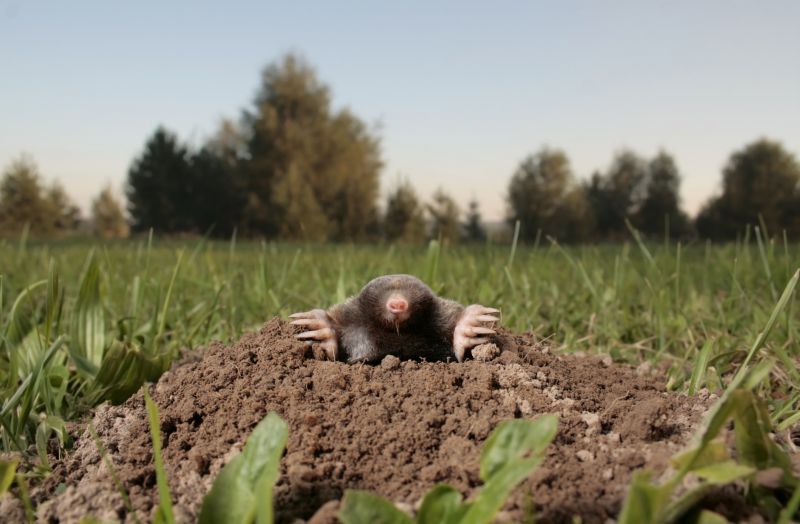
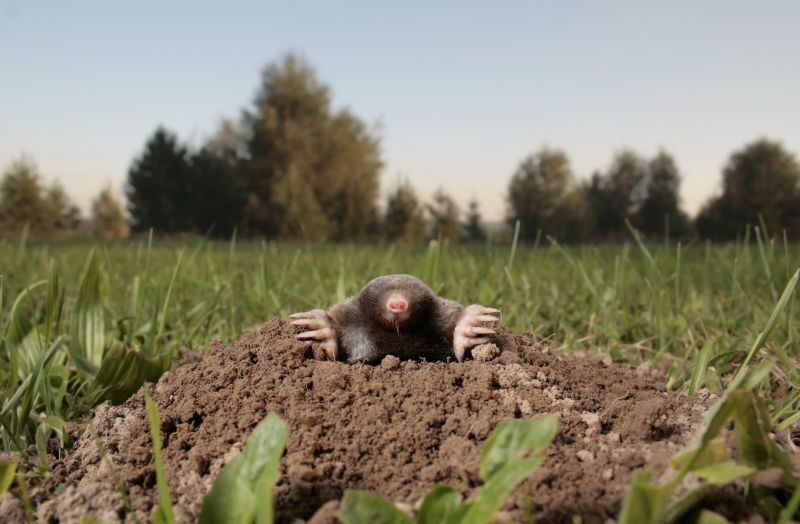
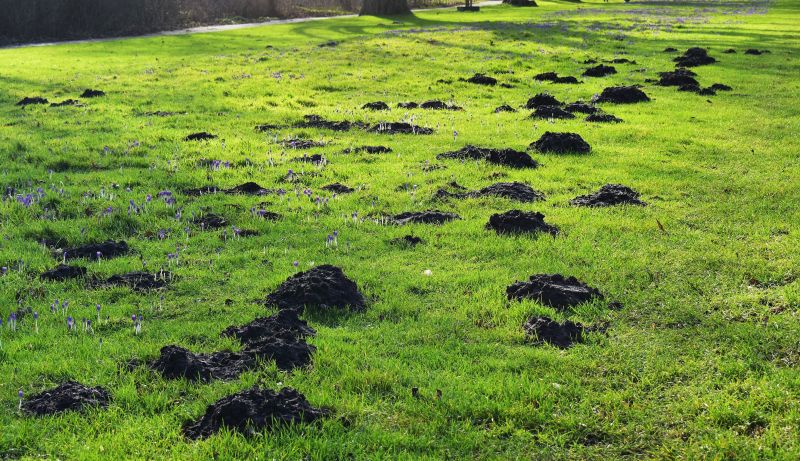
When homeowners search for information about moles in their yard and how tunneling damages landscapes and lawns, they are often concerned about the visible signs of mole activity and the potential impact on their outdoor spaces. These searches typically stem from noticing raised ridges, molehills, or uneven patches that disrupt the smoothness of lawns and gardens. People may also be worried about the long-term health of their turf or garden beds, as tunneling can undermine plant roots and cause soil instability. Understanding what these underground creatures do and how their tunneling activities affect the landscape helps homeowners identify whether moles are the source of their lawn problems and what steps might be necessary to address the issue.
This topic relates to various landscape and lawn management concerns, especially for those planning to maintain or improve their outdoor spaces. Tunneling by moles can create a network of underground passages that weaken the soil structure, leading to unsightly mounds and uneven ground. For property owners with flower beds, vegetable gardens, or manicured lawns, mole activity can be a significant nuisance, causing damage to roots and making the surface unsafe for walking or play. Homeowners may also be considering pest control options or lawn restoration projects, and understanding how tunneling impacts the landscape is essential for making informed decisions about removal or prevention strategies. Local service providers specializing in yard mole removal can help address these issues effectively, restoring the integrity and appearance of outdoor spaces.
The types of properties most commonly affected by tunneling damage include residential yards, suburban lawns, and larger estate landscapes. These properties often feature well-maintained grass, flower beds, or vegetable gardens that can be disrupted by mole activity. Lawns with moist, loose soil tend to attract moles, as the underground tunnels provide easy access to their food sources, such as grubs and insects. Properties with extensive landscaping, including trees, shrubs, and ornamental plants, may also experience root damage from tunneling. Homeowners in these settings often seek solutions from local contractors who specialize in yard mole removal to prevent ongoing damage and maintain the aesthetic and functional quality of their outdoor environments.
Understanding how tunneling damages landscapes and lawns highlights the importance of professional intervention. Moles can cause significant disruption by creating a network of underground tunnels that destabilize the soil and cause surface irregularities. These disturbances not only detract from the visual appeal of a yard but can also lead to more serious issues like soil erosion and compromised plant health. Engaging with local contractors who offer mole removal services can help homeowners implement effective control measures, such as trapping or exclusion, to minimize further damage. Proper management ensures that lawns remain safe, level, and healthy, allowing property owners to enjoy their outdoor spaces without the ongoing concern of mole-related problems.
Landscape Restoration Projects - Professionals skilled in restoring damaged lawns and landscapes can address the turf and soil disruptions caused by tunneling moles.
Soil Aeration Services - These services help improve soil health and drainage, which can be affected by mole tunneling activities underground.
Gopher and Pest Control - Many local contractors who handle pest management also deal with mole removal, providing comprehensive yard protection.
Garden and Lawn Drainage Solutions - Experts in drainage can help mitigate the damage caused by tunneling, preventing water pooling and erosion.
Yard Pest Control Services - These specialists can identify and eliminate mole activity that damages lawns and creates tunnels.
Landscaping and Lawn Care - Skilled landscapers can repair and reshape lawns disturbed by tunneling, restoring the yard’s appearance and health.
When evaluating service providers for yard mole removal, it is important to consider their experience with similar projects. A contractor with a proven track record in managing mole-related issues can better understand the specific behaviors of moles and how tunneling impacts different types of landscapes and lawns. Homeowners should inquire about the number of mole removal jobs they have completed and whether they have encountered properties with similar yard sizes or terrain. This background can help ensure that the chosen contractor is familiar with effective techniques to minimize damage caused by tunneling and to restore the health of the landscape.
Clear written expectations are essential when selecting local contractors for mole removal services. Homeowners should seek detailed explanations of the methods that will be used to eliminate moles and how these methods will affect the yard’s appearance and integrity. Understanding the scope of work, including any necessary follow-up treatments or repairs, helps establish a mutual understanding of what the service entails. Having this clarity upfront can prevent misunderstandings and ensure that the homeowner’s concerns about landscape damage and lawn preservation are addressed thoroughly.
Reputable references and good communication are key factors in choosing the right service provider. Homeowners are encouraged to ask for references from previous clients who had similar mole issues and to inquire about their experiences regarding the contractor’s responsiveness and professionalism. A contractor who maintains open, clear communication can better explain the process, answer questions about how tunneling damages landscapes, and provide guidance on prevention strategies. This transparency fosters confidence in the service provider’s ability to handle the job effectively and to keep the homeowner informed throughout the project.
Property owners often search for moles in your yard: how tunneling damages landscapes and lawns when they are planning practical projects around their homes and businesses. Local pros provide Yard Mole Removal services for everyday jobs and straightforward project options.
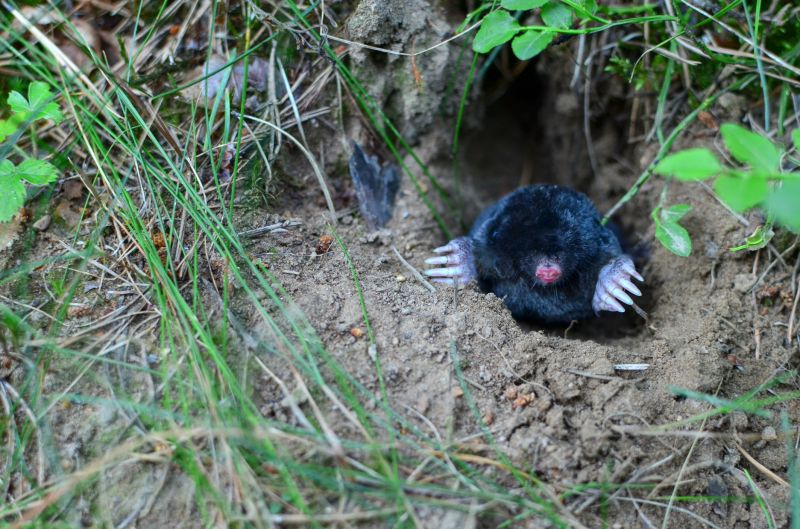
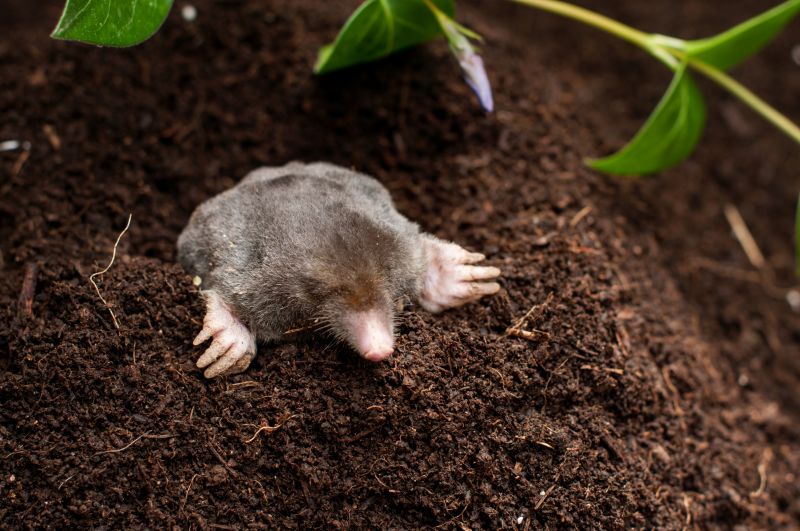
Moles in your yard: how tunneling damages landscapes and lawns is a common concern for property owners who notice unusual mounds or disturbed soil. These small creatures create extensive underground tunnel systems that can undermine the stability of lawns, gardens, and other landscaped areas. As mole activity increases, homeowners may find their once smooth and even yard turning into a maze of raised ridges and unsightly mounds, making outdoor spaces less enjoyable and harder to maintain. When these signs appear, many property owners seek out local contractors who specialize in yard mole removal to help restore the yard’s appearance and prevent further damage.
Professional mole removal services can address the root of the problem by safely and effectively eliminating moles and their tunnels. Local service providers understand the specific conditions of the area and can recommend appropriate methods to manage mole activity without harming the landscape. Timely intervention can help prevent extensive soil displacement, damage to plant roots, and the creation of uneven surfaces that may pose safety hazards. Property owners considering mole control often turn to local experts to ensure the job is done properly, helping to protect their lawns and maintain a tidy, healthy outdoor environment.
How do moles in my yard cause damage to landscapes and lawns? Moles create tunnels beneath the surface, which can lead to uneven ground, ruts, and damaged plant roots, resulting in unsightly lawns and compromised landscape stability.
What signs indicate tunneling damage caused by moles? Indicators include raised ridges, small mounds of soil, and areas where the grass appears to be lifted or thinned, signaling active tunneling beneath the surface.
How can local contractors help remove moles and prevent further damage? Local service providers can implement trapping, exclusion, or habitat modification techniques to effectively remove moles and reduce tunneling activity, protecting your landscape.
Are there specific areas of the yard that are more vulnerable to tunneling damage? Yes, areas with loose soil, abundant food sources, or minimal ground cover are more attractive to moles, making those spots more susceptible to tunneling damage.
What steps can be taken to minimize future tunneling damage after mole removal? Professionals can recommend ongoing habitat management, such as reducing soil insect populations and installing barriers, to help prevent moles from reinvading and damaging the yard again.
Identify tunneling signs - property owners can observe surface mounds and disturbed soil to determine if moles are active and need removal services.
Plan yard repairs - after mole activity, homeowners can work with local contractors to restore damaged lawns and prevent future tunneling.
Implement mole deterrents - property owners can explore practical deterrent methods with local pros to reduce mole activity in their yard.
Schedule professional removal - connecting with local service providers ensures effective mole removal to protect landscaping and prevent further damage.
If you are thinking about moles in your yard: how tunneling damages landscapes and lawns for a property, this guide is meant to help you understand this topic, the typical project types, and how different options might fit your plans.
When you are ready, you can use the quote form on this page to share a few details about your project. From there, local pros can review the basics and follow up with options that match what you have in mind.