How Moles Destroy Lawns, Roots, and Irrigation Systems
People searching for yard mole removal want to stop moles from damaging lawns, roots, and irrigation systems, and local service providers can effectively handle these issues.
If you’ve noticed unusual mounds or tunnels appearing across your yard, you might be dealing with moles and their impact on your landscape. Understanding how moles destroy lawns, roots, and irrigation systems can help property owners identify the problem early and take practical steps to protect their investment. Moles are expert diggers that can cause significant damage beneath the surface, leading to uneven turf, compromised plant roots, and even disruption of underground irrigation lines. For those in the area, exploring this topic can reveal effective ways to address mole activity before it causes costly repairs or long-term damage.
Thankfully, there are local contractors experienced in yard mole removal who can help restore the health and appearance of your yard. These service providers understand how moles operate and can recommend targeted removal methods to prevent further destruction. Whether it’s eliminating active tunnels or safeguarding irrigation systems, working with qualified local pros can make a noticeable difference in maintaining a lush, healthy landscape. Keep reading to learn more about how moles damage lawns and how trusted experts can assist in managing this common yard concern.
- Mole Damage to Lawns - homeowners noticing uneven surfaces or tunnels may need local contractors to remove moles and restore lawn integrity.
- Roots Disrupted by Moles - when mole activity threatens plant roots, local pros can implement removal strategies to protect landscaping health.
- Irrigation System Interference - signs of damaged sprinkler lines or uneven watering can prompt consultation with local mole removal specialists.
- Soil Disturbance and Tunneling - extensive tunneling can weaken soil structure, leading residents to seek help from service providers experienced in mole control.
- Preventing Future Damage - ongoing mole activity that risks lawn and system damage may require local pros to establish effective removal and prevention plans.
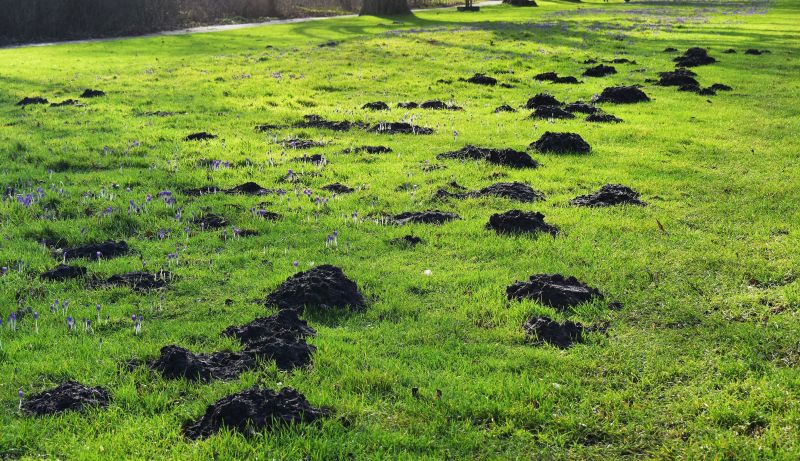
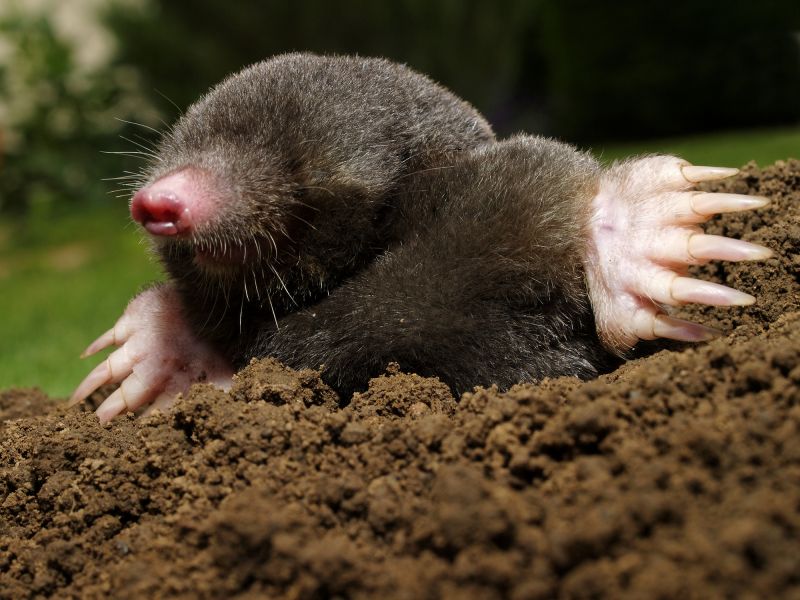
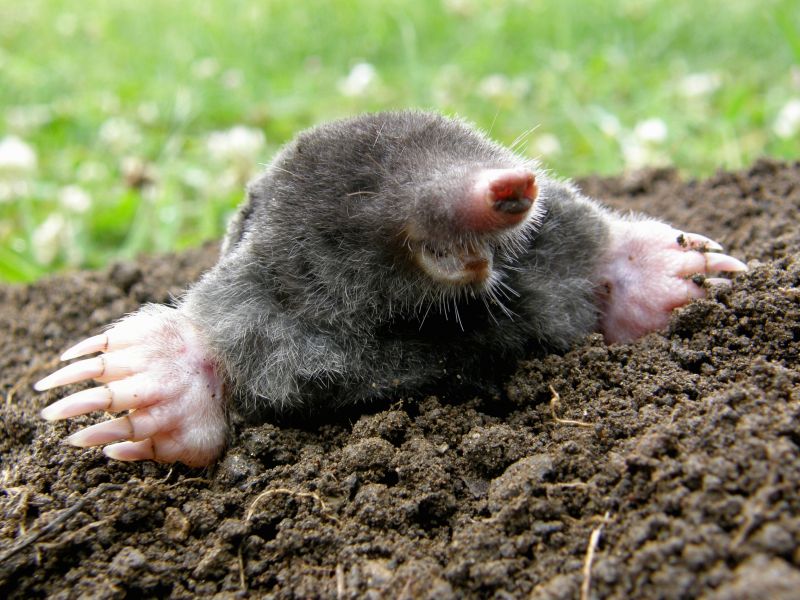
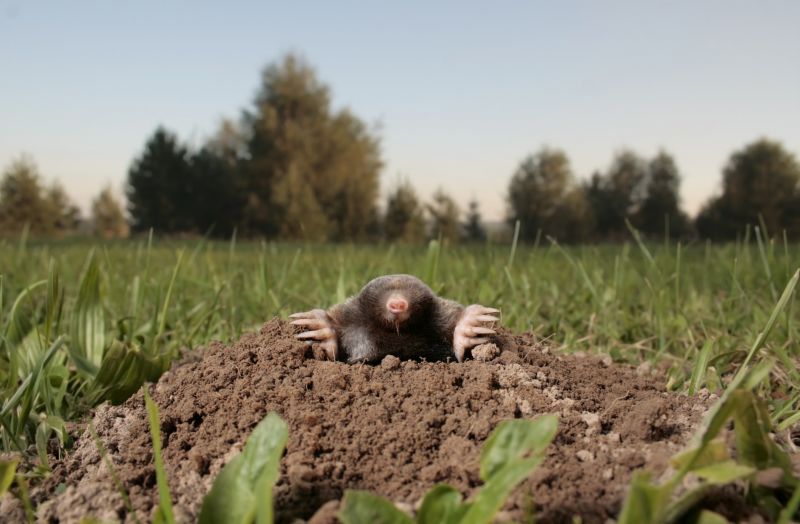
When people search for how moles destroy lawns, roots, and irrigation systems, they are often concerned about the visible damage and underlying causes that threaten the health and appearance of their property. Moles are burrowing mammals that create extensive tunnel systems just beneath the surface, which can lead to uneven ground, unsightly mounds, and compromised turf. Homeowners typically want to understand why their lawn is developing these issues, especially when they notice increased mole activity or damage that disrupts their outdoor space. This search often relates to broader plans for lawn restoration, pest control, or protecting garden beds and irrigation infrastructure from further harm caused by mole activity.
The problems associated with moles damaging lawns, roots, and irrigation systems are diverse. Their tunneling can loosen soil, making the ground unstable and difficult to maintain. This activity can also disturb the roots of grass, shrubs, and other plants, leading to yellowing, thinning, or dead patches on the lawn. Additionally, moles often damage underground irrigation lines and sprinkler systems by burrowing through or near these components, resulting in leaks, broken pipes, or inefficient watering. Homeowners with specific plans to improve their yard’s appearance or functionality frequently seek solutions to prevent or repair this type of damage, which can quickly escalate if not addressed.
Certain types of properties are more prone to mole-related issues. Lawns with well-maintained turf, especially those with loose or sandy soil, tend to attract moles because they offer easy access to their food sources, such as earthworms and insects. Residential yards with extensive landscaping, vegetable gardens, or ornamental plantings are also vulnerable, as moles can undermine plant roots and disturb soil stability. Properties with irrigation systems that run underground are at risk of damage if mole activity is present, leading to costly repairs and water waste. For homeowners planning yard upgrades or landscaping projects, understanding how moles can interfere with these efforts is essential to maintaining a healthy, functional outdoor space.
Local yard mole removal service providers are equipped to help address these issues by providing targeted solutions to eliminate mole activity and prevent future damage. These professionals understand the behavior of moles and the signs to look for, such as surface tunnels, molehills, and disturbed soil. They can implement effective removal methods and recommend ongoing deterrent strategies to protect lawns, roots, and irrigation systems. For property owners dealing with mole-related problems, working with experienced local contractors can be a practical step toward restoring yard integrity and ensuring that the landscape remains healthy and visually appealing. Connecting with these specialists can help turn a troublesome situation into a manageable part of maintaining a well-kept outdoor space.
Gopher and Mole Control - Professionals in this area manage pest animals that can cause similar damage to lawns, roots, and irrigation systems as moles do, requiring specialized trapping and removal techniques.
Soil Aeration and Lawn Repair - These projects involve soil management and turf restoration skills that are also essential in addressing damage caused by moles tunneling underground.
Irrigation System Installation and Maintenance - Service providers in this field repair and install underground irrigation, which can be compromised by mole activity and tunneling.
Root Zone Management and Tree Care - Experts in this area handle root health and soil stability, which are impacted when moles disturb underground root systems.
Landscape Drainage Solutions - Installing effective drainage systems helps prevent water accumulation caused by mole burrows and tunnel disruption.
Lawn Damage Assessment and Restoration - These projects involve diagnosing and repairing turf and soil issues stemming from mole activity and related underground disturbances.
When comparing service providers for yard mole removal, it’s important to consider their experience with similar projects, particularly those involving the damage moles can cause to lawns, roots, and irrigation systems. Homeowners should inquire about how long a contractor has been handling mole-related issues and whether they have successfully completed jobs similar in scope and complexity. An experienced local contractor will typically have a better understanding of the behaviors of moles in the area and the most effective removal methods, which can help ensure the work is done efficiently and thoroughly.
Clear written expectations are essential when evaluating potential service providers. Homeowners should seek detailed descriptions of the services offered, including the techniques used for mole removal and any follow-up or preventative measures. Having a well-defined scope of work helps prevent misunderstandings and ensures that both parties are aligned on the project’s goals. Reputable local contractors often provide written estimates or service agreements that outline what is included, allowing homeowners to make informed decisions based on transparent information.
Good communication and reputable references are key factors in selecting a reliable yard mole removal service. Homeowners should ask for references or reviews from previous clients who had similar issues, particularly those involving damage to lawns, roots, or irrigation systems. Clear and prompt communication from the service provider can also indicate professionalism and a commitment to customer satisfaction. Choosing a local contractor with a solid reputation and a history of effective mole removal can help ensure the job is handled properly and that any future concerns are addressed promptly.
Property owners often search for how moles destroy lawns, roots, and irrigation systems when they are planning practical projects around their homes and businesses. Local pros provide Yard Mole Removal services for everyday jobs and straightforward project options.
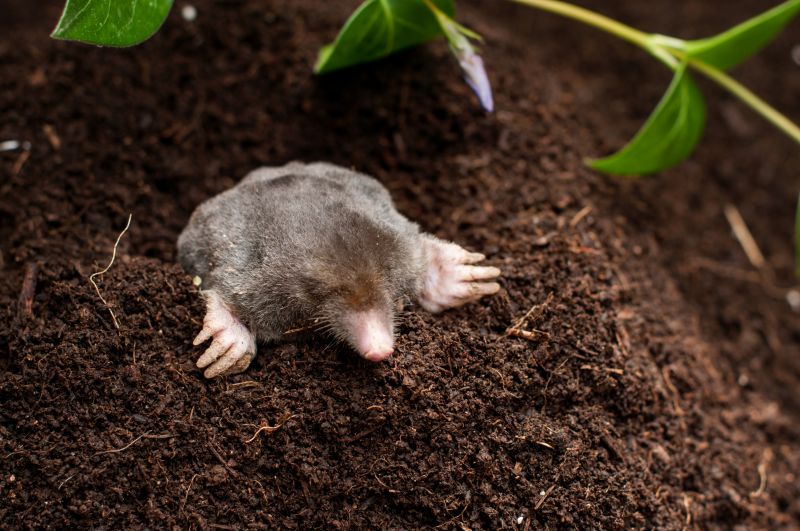
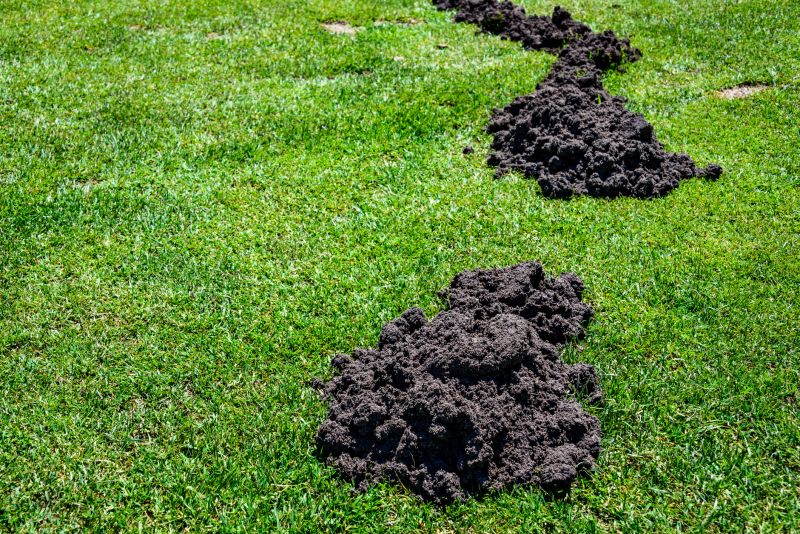
Moles can cause significant damage to lawns by creating underground tunnels that disturb the soil and root systems. These tunnels often lead to uneven ground, unsightly mounds, and weakened grass that becomes more vulnerable to disease and pests. Property owners noticing unusual surface activity or patchy, thinning grass may find themselves searching for solutions to protect their yard’s appearance and health. Local contractors offering yard mole removal services can assess the extent of the damage and implement effective methods to eliminate moles, helping to restore the integrity of lawns and prevent further destruction.
Beyond surface disruptions, moles can also threaten the integrity of underground irrigation systems and plant roots. Their tunneling can interfere with sprinkler lines, causing leaks or blockages that impair watering efficiency. Additionally, the constant digging around roots can weaken plants and trees, making them more susceptible to stress or disease. Property owners experiencing these issues might consider consulting local service providers who specialize in mole removal, as they can help safeguard irrigation infrastructure and maintain the overall stability of the landscape.
How do moles damage lawns, roots, and irrigation systems? Moles create tunnels beneath the surface that can disturb the root systems of plants and cause uneven ground, which may lead to damage or disruption of irrigation systems. Their burrowing activity can also weaken the soil structure, making lawns more susceptible to other issues.
Why are moles a threat to underground irrigation systems? Moles often burrow near or through irrigation lines, which can lead to punctures or dislodgement of pipes. This activity can cause leaks, water loss, and the need for repairs, affecting the overall health of the lawn.
How can local contractors help prevent damage caused by moles? Experienced yard mole removal service providers can implement trapping, baiting, or exclusion methods to reduce mole activity, protecting lawns, roots, and irrigation infrastructure from further harm.
What signs indicate moles are damaging a lawn or irrigation system? Visible molehills, raised ridges, or irregular patches of dead grass may suggest mole activity. Additionally, sudden irrigation leaks or damaged pipes beneath the surface can point to burrowing damage caused by moles.
Are mole removal services effective in protecting lawns and underground systems? Yes, professional mole removal methods can significantly reduce mole populations and their tunneling activity, helping to safeguard lawns, roots, and irrigation systems from ongoing damage.
Identify mole activity early - property owners can monitor for signs of mole tunnels and surface mounds to prevent extensive damage to lawns, roots, and irrigation systems, with help from local contractors.
Implement preventative barriers - installing underground barriers or repellents can deter moles from burrowing near critical landscape features, with local pros providing expert installation.
Schedule regular inspections - routine assessments of the lawn and irrigation system can catch mole activity before it causes significant destruction, facilitated by experienced service providers.
Restore damaged areas promptly - repairing mole-induced damage to lawns, roots, and irrigation components can be efficiently handled by local contractors to maintain landscape health.
If you are thinking about how moles destroy lawns, roots, and irrigation systems for a property, this guide is meant to help you understand this topic, the typical project types, and how different options might fit your plans.
When you are ready, you can use the quote form on this page to share a few details about your project. From there, local pros can review the basics and follow up with options that match what you have in mind.