Common Wildlife Problems Homeowners Face
Homeowners facing common wildlife problems can rely on local contractors to safely remove animals and prevent future issues effectively.
Homeowners often encounter common wildlife problems that can impact the safety and comfort of their properties. Whether it's raccoons rummaging through trash, squirrels nesting in attics, or birds creating messes on rooftops, these issues are more than just nuisances-they can lead to property damage and health concerns. Recognizing these signs early can help prevent larger problems down the line, making it worthwhile for property owners in the area to explore solutions offered by local contractors experienced in wildlife removal and exclusion.
Understanding how wildlife can infiltrate a home is key to maintaining a safe and secure environment. Local service providers specialize in identifying entry points and implementing effective removal strategies, ensuring that unwanted animals are handled humanely and permanently kept out. Staying informed about common wildlife problems homeowners face can empower property owners to take proactive steps, and connecting with trusted local experts can provide the practical assistance needed to address these concerns efficiently.
- Bird control services are often needed when homeowners notice nests or droppings in attic spaces, and local contractors use humane exclusion methods to prevent future infestations. Bat removal is sought when bats roost in eaves or walls, with service providers focusing on safe removal and sealing entry points. Squirrel exclusion is requested when these rodents cause damage to roofs or wiring, with local pros installing barriers to keep them out. Raccoon removal becomes necessary when these animals invade trash areas or attics, and service providers employ humane trapping and exclusion techniques. Rodent control is commonly needed when mice or rats are detected inside homes, with local contractors setting traps and sealing entry points to eliminate the problem.
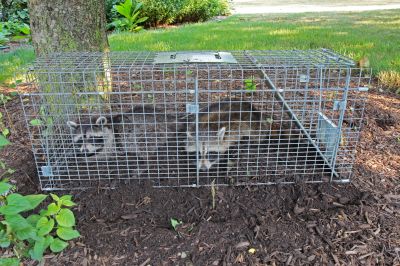
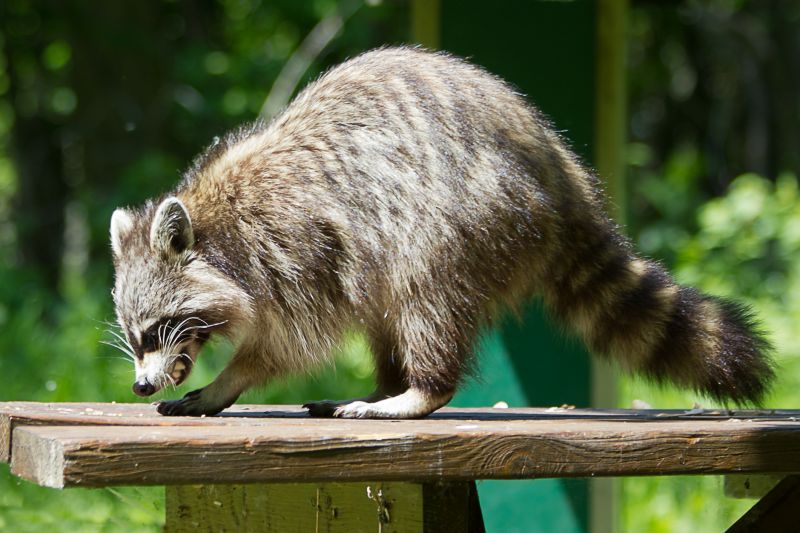
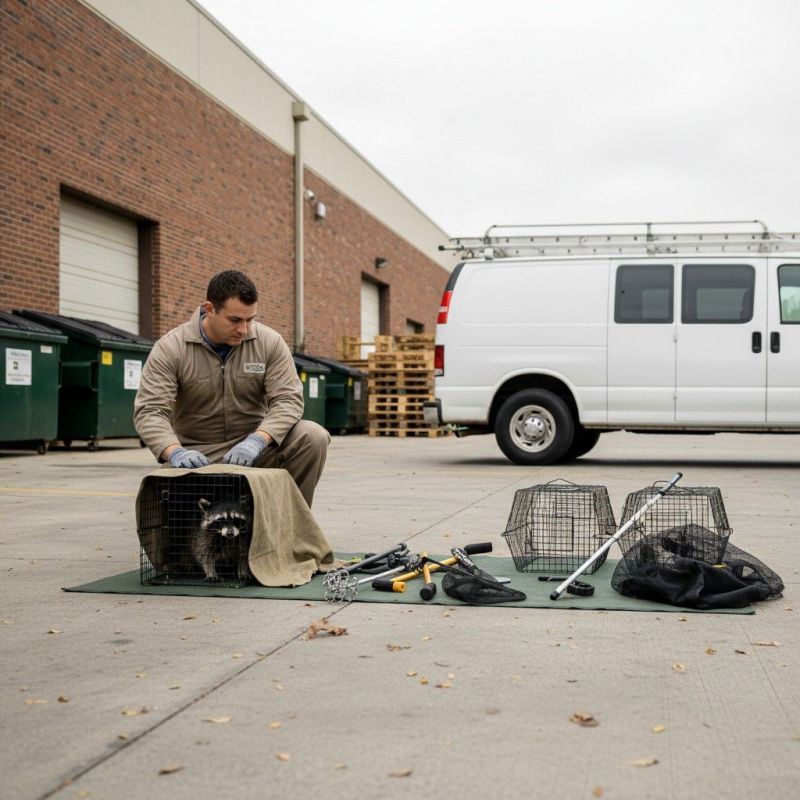
Many homeowners searching for information about common wildlife problems face issues related to animals finding their way onto or into their properties. These concerns often stem from the presence of animals such as raccoons, squirrels, bats, or birds that have become a nuisance or a potential threat. When people look into this topic, they typically want to understand what signs to look for, the risks involved, and the best ways to address these issues. Recognizing the types of wildlife that tend to invade residential properties helps homeowners identify the problem early and consider appropriate removal or exclusion strategies.
The problems associated with wildlife intrusion can vary widely but generally include damage to the property, health risks, and disturbances to daily life. For example, animals like raccoons and squirrels may gnaw on wiring, damage insulation, or create nests in attics and walls. Bats and birds often roost in eaves, vents, or chimneys, leading to droppings and potential contamination. Many homeowners also worry about the noise and odors that come with certain animals, as well as the possibility of disease transmission. Such issues often lead to plans for humane removal, exclusion, and sometimes repairs to prevent future invasions, making it important to work with experienced service providers who understand local wildlife behaviors.
Certain types of properties are more prone to wildlife problems than others. Older homes with accessible attics, gaps in siding, or damaged vents tend to be more vulnerable. Residential neighborhoods with mature trees, nearby water sources, or wooded areas also increase the likelihood of wildlife encounters. Rural properties and farms may face different challenges, such as larger populations of animals like skunks or groundhogs. Regardless of property type, understanding the specific wildlife risks helps homeowners determine the right approach and connect with local contractors skilled in humane removal and prevention methods. These service providers can assess the property, identify entry points, and implement effective solutions tailored to the particular wildlife issues faced.
In many cases, addressing common wildlife problems requires a combination of removal and exclusion techniques. Local wildlife removal pros are equipped to handle a variety of situations, whether it involves trapping animals, sealing entry points, or installing deterrents. They understand the behaviors and habits of local wildlife, which allows them to develop targeted plans that minimize the risk of re-infestation. Homeowners benefit from working with these service providers because they can provide practical advice on how to prevent future problems and ensure the property remains wildlife-proof. Connecting with experienced local contractors ensures that wildlife issues are managed humanely and effectively, helping maintain a safe and comfortable home environment.
Gutter Cleaning and Repair - Proper gutter maintenance helps prevent wildlife from nesting or gaining access to attics, making gutter services relevant to wildlife exclusion efforts.
Attic Insulation and Ventilation - Ensuring proper insulation and ventilation can deter animals from nesting and reduce common wildlife problems homeowners face.
Roof Repair and Maintenance - Repairing damaged roofing or shingles can prevent entry points for wildlife seeking shelter inside homes.
Exclusion and Barrier Installation - Installing barriers and sealing entry points is essential for addressing wildlife problems and preventing future invasions.
Tree Trimming and Landscaping - Properly maintained trees and shrubs reduce the likelihood of animals climbing onto roofs or gaining access to homes.
Pest and Animal Control - Local contractors specializing in pest control often handle wildlife-related issues, providing solutions for common problems homeowners face.
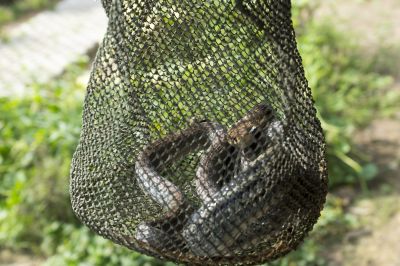
When evaluating wildlife removal service providers for common wildlife problems homeowners face, it is important to consider their experience with similar projects. A contractor who has handled a variety of wildlife issues-such as raccoon entry points, squirrel infestations, or bird nesting sites-can demonstrate familiarity with effective solutions and potential challenges. Homeowners should inquire about the types of wildlife the pros have managed and their approach to addressing specific problems, ensuring the provider has a practical understanding of the situation at hand.
Clear written expectations are essential when comparing local contractors for wildlife removal services. Service providers should be able to outline the scope of work, methods used, and what homeowners can expect throughout the process. This transparency helps prevent misunderstandings and ensures that both parties are aligned on the project’s goals. Homeowners are encouraged to seek detailed descriptions of the procedures, guarantees of follow-up work if necessary, and any recommendations for preventing future wildlife issues.
Reputable references and effective communication are key indicators of reliable wildlife removal service providers. Good communication involves timely responses to inquiries, straightforward explanations of services, and a willingness to address questions. References from past clients can offer insights into the contractor’s professionalism, quality of work, and ability to handle wildlife problems efficiently. Gathering this information helps homeowners make informed decisions and select service providers who are transparent, dependable, and capable of managing common wildlife problems effectively.
Property owners often search for common wildlife problems homeowners face when they are planning practical projects around their homes and businesses. Local pros provide Wildlife Removal services for everyday jobs and straightforward project options.
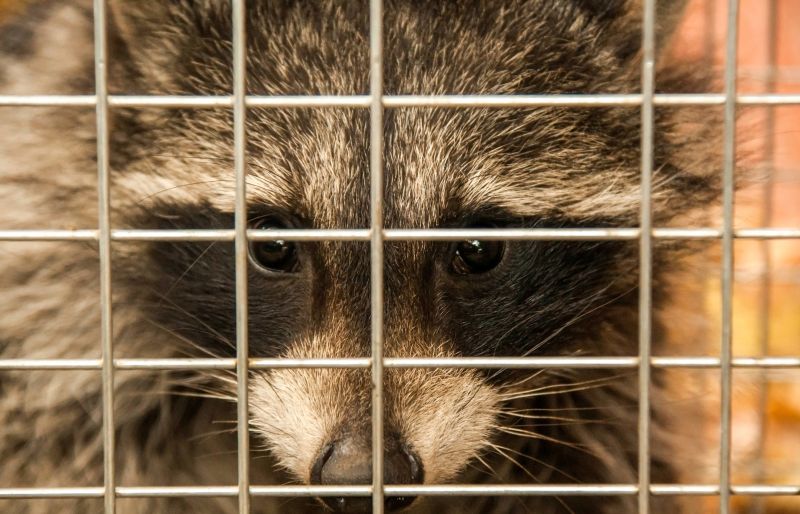
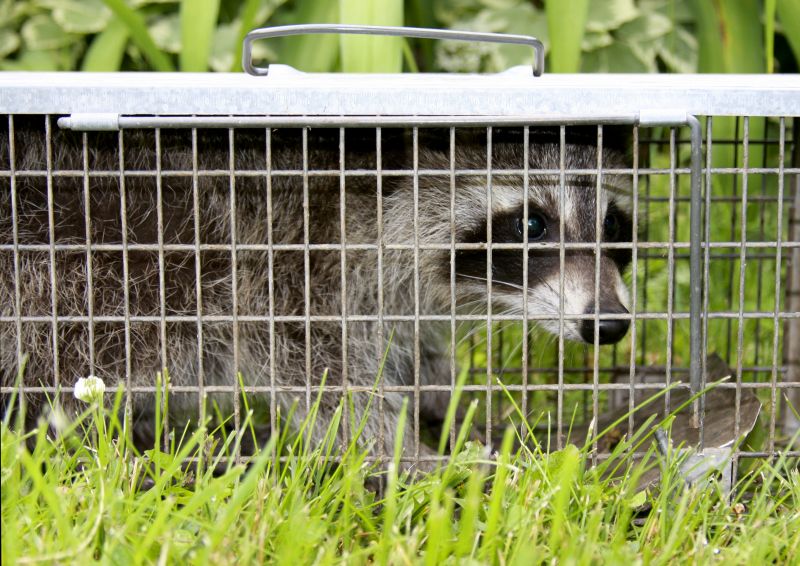
Homeowners often encounter common wildlife problems that can disrupt daily life and pose risks to property. For instance, animals such as raccoons, squirrels, or bats may find their way into attics, crawl spaces, or chimneys, leading to noise, damage, and potential health concerns. These issues frequently arise from small entry points or gaps in the exterior of the home, prompting property owners to seek out local contractors who specialize in wildlife removal and exclusion services to resolve the problem effectively.
Many property owners look up this topic after noticing signs of wildlife activity, such as droppings, chewed wiring, or unusual odors. Such indicators often signal an animal has taken up residence nearby, and addressing the situation quickly can prevent further damage or infestations. Local service providers experienced in wildlife removal can assess the situation, safely remove the animals, and help secure the property to prevent future issues, making them a practical resource for homeowners facing these common wildlife problems.
What are common signs of wildlife intrusion in homes? Signs include strange noises in walls or attics, droppings near entry points, chewed wires or insulation, and nests in vents or eaves. Local contractors can assess and address these issues to prevent further problems.
How do wildlife animals typically enter homes? Wildlife often gain access through gaps in the roof, vents, chimneys, or damaged siding. Experienced service providers can identify and seal these entry points to keep animals out.
Why is it important to remove wildlife from a home? Removing wildlife helps prevent property damage, reduces health risks from droppings or bites, and stops animals from establishing permanent nests. Local wildlife removal experts can safely and effectively handle these situations.
What risks do homeowners face if wildlife problems are ignored? Ignoring wildlife issues can lead to structural damage, contamination from droppings, and potential disease transmission. Professional wildlife removal services can mitigate these risks.
How can homeowners prevent wildlife problems in the future? Regular inspections, sealing potential entry points, and removing attractants like food sources can help prevent wildlife from entering. Local contractors can provide advice and services to keep homes wildlife-free.
Identifying entry points - Homeowners can work with local contractors to inspect and seal gaps or holes that wildlife may use to access the property.
Installing deterrents - Using humane deterrents or barriers recommended by local pros can help keep animals away from gardens and attics.
Removing attractants - Clearing clutter, securing trash, and managing food sources can reduce wildlife attraction around the home.
Implementing exclusion techniques - Professionals can assist with installing exclusion devices to prevent animals from re-entering the property after removal.
If you are thinking about common wildlife problems homeowners face for a property, this guide is meant to help you understand this topic, the typical project types, and how different options might fit your plans.
When you are ready, you can use the quote form on this page to share a few details about your project. From there, local pros can review the basics and follow up with options that match what you have in mind.