How Moles Disrupt Root Systems and Landscape Drainage
People searching for yard mole removal aim to protect their landscape from root damage and drainage issues caused by moles, with local service providers ready to help eliminate the problem.
Understanding how moles disrupt root systems and landscape drainage is essential for property owners looking to maintain a healthy and well-functioning yard. Moles burrow underground, creating extensive tunnel systems that can weaken plant roots, disturb soil stability, and lead to poor drainage. These issues can result in uneven lawns, water pooling, and even damage to trees and shrubs. Recognizing the signs of mole activity early can help prevent more serious landscape problems, making it worthwhile for property owners to explore solutions offered by experienced service providers in the area.
For those dealing with persistent mole activity, connecting with local contractors who specialize in yard mole removal can be a practical step toward restoring yard health. These professionals understand how moles impact root systems and drainage, and they can implement effective strategies to manage and eliminate mole populations. Exploring these services ensures that property owners have access to tailored solutions that help protect their landscape's integrity, encouraging a lush, stable yard free from the disruptions caused by these underground pests.
- Common Projects Services - Homeowners noticing damage to root systems and poor landscape drainage often seek mole removal services, where local contractors use targeted methods to eliminate moles and protect plant health.
- Garden and lawn restoration - When moles create tunnels that disrupt the soil structure, local pros can implement mole control solutions that help restore proper root growth and drainage.
- Landscape preservation work - Moles can cause soil instability affecting drainage patterns; local service providers address these issues by removing moles and stabilizing the landscape.
- Yard maintenance services - Signs of moles interfering with root systems and drainage often prompt homeowners to hire local contractors who specialize in mole removal and soil management.
- Property drainage correction - Moles tunneling through the soil can lead to drainage problems, and local pros can help mitigate these effects through effective mole control techniques.
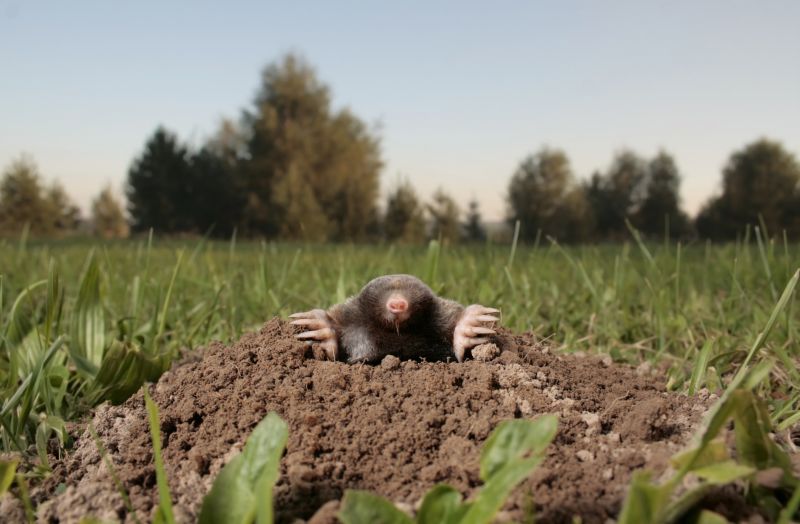
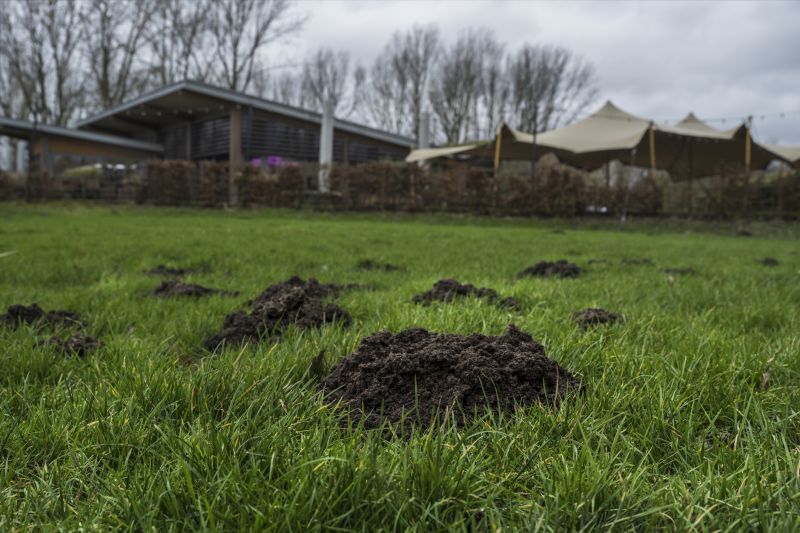
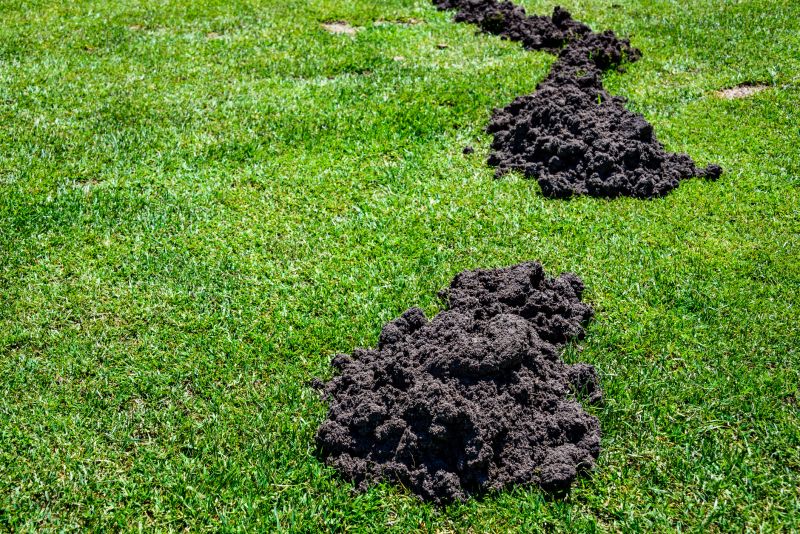
Understanding how moles disrupt root systems and landscape drainage is essential for homeowners dealing with underground pest activity. When people search this topic, they often want to learn about the ways moles damage their yard’s natural structure and how this can impact plant health and overall drainage. Moles create extensive tunnel networks just beneath the surface, which can disturb the roots of trees, shrubs, and other plants. This disruption can weaken plants, making them more vulnerable to disease or death. Additionally, the tunnels interfere with how water moves through the soil, often leading to poor drainage and standing water, which can further harm landscaping efforts.
This issue is typically relevant to property owners who are managing gardens, lawns, or landscaped areas that have become uneven or are experiencing drainage problems. Homeowners planning to improve their yard’s appearance or address ongoing issues with water pooling often find themselves exploring how moles can be a contributing factor. Problems such as soil erosion, uneven turf, or the death of certain plants can all be linked to mole activity. Understanding these connections helps homeowners decide whether mole removal services are necessary to protect and restore their landscape’s health and functionality.
Properties most affected by moles tend to include residential yards with lush lawns, gardens, or mature trees. These areas are attractive to moles because of the abundant earthworms and insects they feed on. Lawns with loose, soft soil or areas with frequent water runoff are also more prone to mole activity. Additionally, properties with existing drainage issues or those built on or near natural underground water sources might experience more pronounced disruptions. Recognizing these property features can help homeowners identify when mole activity may be contributing to root damage or drainage problems.
Local service providers specializing in yard mole removal are equipped to address these issues effectively. They can assess the extent of mole activity and its impact on root systems and drainage. These professionals often employ various removal methods and can provide advice on how to prevent future infestations. For homeowners experiencing signs of mole disruption-such as raised tunnels, uneven ground, or plant stress-connecting with local pros can be a practical step toward restoring the health and stability of their landscape. Proper removal and management can help ensure that root systems remain intact and that drainage functions as intended.
Landscape Drainage Projects - local contractors specializing in drainage solutions can address issues caused by mole activity that disrupt soil stability and water flow.
Root System Restoration - service providers experienced in root care and repair can help mitigate damage from mole tunneling that weakens plant foundations.
Soil Stabilization and Erosion Control - experts can implement techniques to prevent soil erosion resulting from mole-created tunnels compromising landscape integrity.
Gopher and Pest Control Services - professionals skilled in pest management can control mole populations that threaten root systems and landscape drainage.
Yard Repair and Restoration - local pros can restore lawns and garden areas damaged by mole activity affecting root health and drainage patterns.
Underground Utility and Drainage Line Protection - specialists can inspect and safeguard underground lines from disruptions caused by mole tunneling.
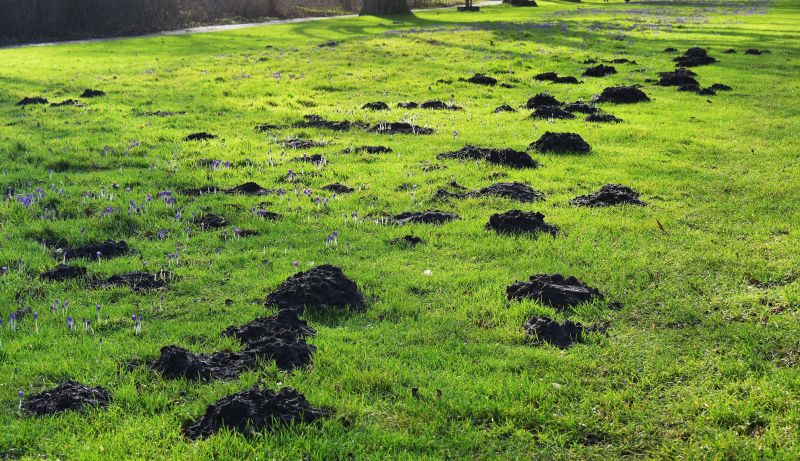
When evaluating local contractors for yard mole removal, it’s important to consider their experience with similar projects, particularly those involving the disruption of root systems and landscape drainage. A contractor with a history of successfully managing mole activity in residential settings can provide insight into effective removal techniques and prevention strategies. Asking about their past work can help determine if they have the necessary expertise to address the specific challenges posed by moles, such as damage to underground roots or compromised drainage pathways that can lead to pooling or erosion.
Clear, written expectations are essential when comparing service providers for yard mole removal. A reputable contractor should be able to outline the scope of work, including how they plan to identify active mole tunnels, remove moles safely, and implement measures to prevent future activity. This documentation helps ensure that both parties share an understanding of what will be done and can serve as a reference throughout the project. Well-defined expectations contribute to a smoother process and reduce the likelihood of misunderstandings or unmet needs related to landscape drainage and root system protection.
Reputable references and good communication are key factors when choosing local service providers. Reliable contractors should be able to provide references from previous clients who experienced similar issues, demonstrating their ability to deliver effective mole removal solutions. Additionally, clear and open communication throughout the process allows homeowners to ask questions, express concerns, and receive updates, which can be especially important when addressing complex issues like root system disruption and drainage problems. Selecting a provider who values transparency and responsiveness can lead to a more satisfactory experience and a healthier landscape after the mole activity has been managed.
Property owners often search for how moles disrupt root systems and landscape drainage when they are planning practical projects around their homes and businesses. Local pros provide Yard Mole Removal services for everyday jobs and straightforward project options.
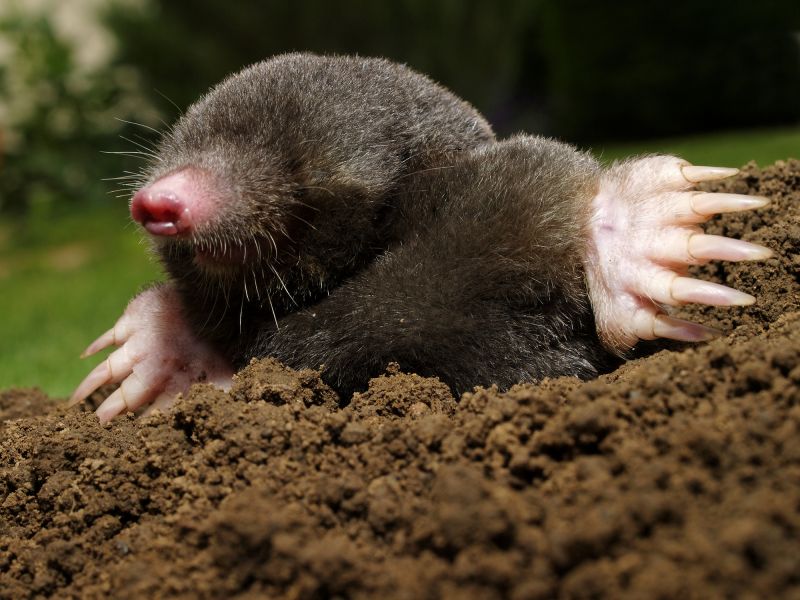
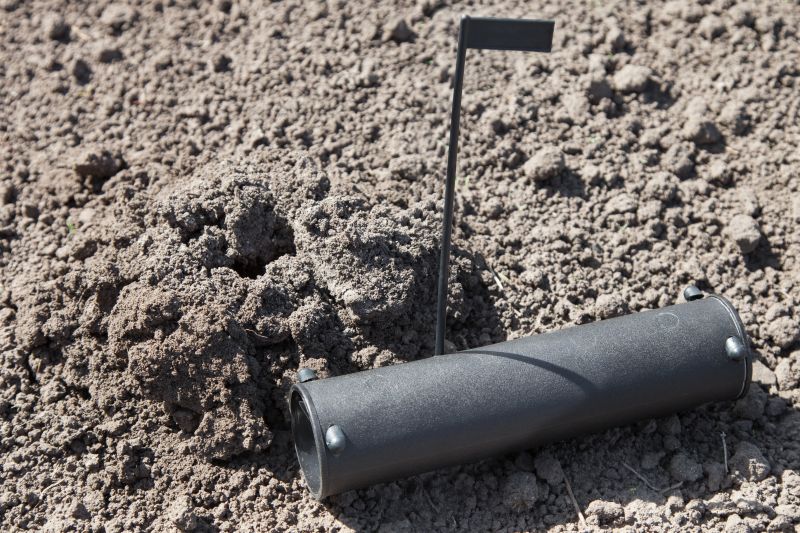
Moles can cause significant issues for property owners by disrupting root systems and landscape drainage. Their tunneling activity creates underground pathways that can weaken plant roots, leading to stunted growth or even plant loss. Additionally, these tunnels often interfere with the natural flow of water through the soil, resulting in poor drainage and potential pooling or erosion in lawns and garden beds. Homeowners noticing uneven ground, excess molehills, or soggy patches may find it helpful to explore yard mole removal services offered by local contractors, who can help restore the health and stability of the landscape.
In many everyday project situations, property owners seek out professionals to address mole-related damage because DIY solutions may not be effective or sustainable. Local service providers can assess the extent of the mole activity and implement targeted removal strategies to reduce tunneling and prevent further disruption. Engaging experienced contractors ensures that root systems remain intact and drainage patterns are restored, helping to maintain a healthy, stable landscape. Those dealing with ongoing mole issues or noticing signs of root and drainage problems are encouraged to consider connecting with local pros for expert assistance.
How do moles disrupt root systems and landscape drainage? Moles create tunnels that can disturb the root structures of plants and trees, leading to weakened plants and uneven soil levels. Their burrowing can also interfere with proper water flow, causing drainage issues in the landscape.
What signs indicate moles are affecting my yard’s drainage? Signs include mounded soil, irregularly shaped tunnels, and areas of poor water absorption or pooling. These symptoms suggest mole activity may be impacting the landscape’s ability to drain properly.
How can local contractors help with mole-related root and drainage problems? Experienced service providers can assess the extent of mole activity, remove moles safely, and implement measures to protect root systems and improve drainage, helping to restore yard health.
Are there specific landscape features that moles tend to disrupt? Moles often target lawns, garden beds, and areas with loose, moist soil. They can undermine the stability of plant roots and create uneven ground that affects drainage patterns.
What methods do pros use to prevent moles from damaging root systems and drainage? Local contractors may use trapping, exclusion techniques, and habitat modification to reduce mole activity, thereby minimizing disruption to root systems and ensuring proper landscape drainage.
Identify mole activity early - recognizing signs of mole activity can help property owners prevent extensive damage to root systems and drainage paths by scheduling removal services promptly.
Assess landscape drainage issues - understanding how moles create tunnels that disrupt water flow can guide property owners in planning targeted removal and drainage repairs with local contractors.
Implement mole deterrents - applying humane deterrent methods can reduce mole populations, minimizing the risk of further disruption to roots and underground water systems.
Schedule professional mole removal - engaging experienced local service providers ensures effective removal of moles to protect root health and maintain proper landscape drainage.
If you are thinking about how moles disrupt root systems and landscape drainage for a property, this guide is meant to help you understand this topic, the typical project types, and how different options might fit your plans.
When you are ready, you can use the quote form on this page to share a few details about your project. From there, local pros can review the basics and follow up with options that match what you have in mind.